
Moya Credits Personal Performance for ActionSA's Tshwane Presence
ActionSA's prominent leader, Moya, asserts her performance was key to the party's local growth in Tshwane. Pretoria Local News examines the implications for cit
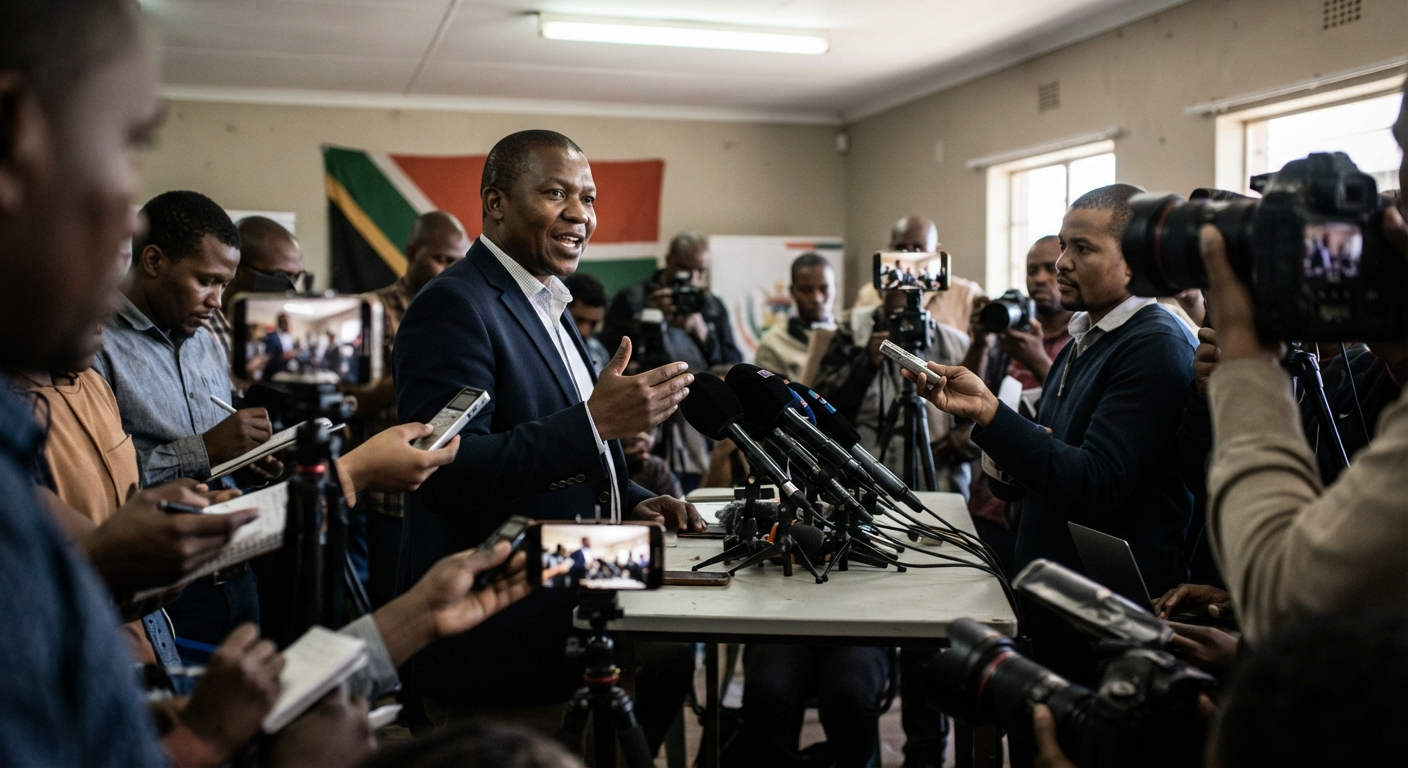
ActionSA’s prominent figure, Moya, has asserted that her individual performance was the driving force behind the party's notable gains and establishment in the Tshwane metropolitan area. This declaration highlights the internal dynamics within political parties and signals potential strategies for future local engagements as parties gear up for upcoming electoral contests.
Addressing the political landscape of Pretoria, Moya’s statement places her at the epicentre of ActionSA's growth narrative within the capital city. The party, a relatively new entrant into South African politics, has made significant inroads in various municipalities, and Tshwane has been a key battleground for its expansion.
The Heart of the Claim
Moya’s assertion suggests a direct correlation between her efforts and ActionSA’s ability to resonate with voters and establish a foothold in Tshwane. While specific details of her 'performance' were not outlined, such claims typically encompass a range of political activities: robust campaigning, effective community engagement, impactful policy advocacy, and visible leadership during critical local events or council sittings. In the highly competitive political environment of Tshwane, a politician crediting their personal contribution for party success can be seen as an effort to solidify their position and influence within the party structure and among the electorate.
Local political success often hinges on charismatic leaders who can mobilise support and articulate the party’s vision effectively. Moya’s statement implicitly positions her as such a leader for ActionSA in Tshwane, suggesting her strategic choices and operational execution were paramount in translating party objectives into tangible electoral or operational wins.
Implications for Tshwane Politics
This declaration has several implications for the political arena in Pretoria. Firstly, it could influence ActionSA’s internal discussions regarding leadership roles, campaign strategies, and resource allocation within the Tshwane region. If Moya's performance is indeed perceived as central to the party's success, it could empower her voice in future decision-making processes regarding local governance and electoral campaigns.
Secondly, the statement contributes to the broader narrative of political accountability and individual impact. In a multiparty coalition environment like Tshwane, where service delivery and good governance are constant topics of public discourse, the performance of individual council members and party leaders is scrutinised heavily. Moya's claim invites public and media attention to ActionSA’s track record in Tshwane and the specific contributions of its leaders. It also challenges other political entities to similarly highlight their impactful individuals and their contributions to the city.
The Pretoria, Tshwane Angle
For residents, officials, students, and business people in Pretoria and Tshwane, Moya’s statement is significant for several reasons. It offers a glimpse into the self-assessment and strategic positioning of key political figures who directly influence the administration and future of the city. Understanding which individuals within parties are seen as drivers of success can inform public perception of political stability, leadership quality, and potential shifts in power dynamics.
Officials will note how such claims might affect inter-party relations within the coalition government or opposition benches, potentially influencing negotiations and policy formulation. Business people and students, often concerned with the city's economic and social stability, will find this relevant as it speaks to the leadership capital within parties that aim to govern or significantly influence the governance of Tshwane. Ultimately, for the average resident, Moya’s assertion frames a discussion around who is truly delivering for the city and which individuals deserve credit for political achievements or failures, tying directly into future electoral choices and expectations of service delivery.
Source: Google News: Tshwane