
ActionSA's Moya Stakes Claim: 'My Performance Delivered Tshwane Success'
ActionSA Councillor Kgalalelo Moya asserts her individual performance was key to the party's success in Tshwane. Pretoria Local News explores the implications f
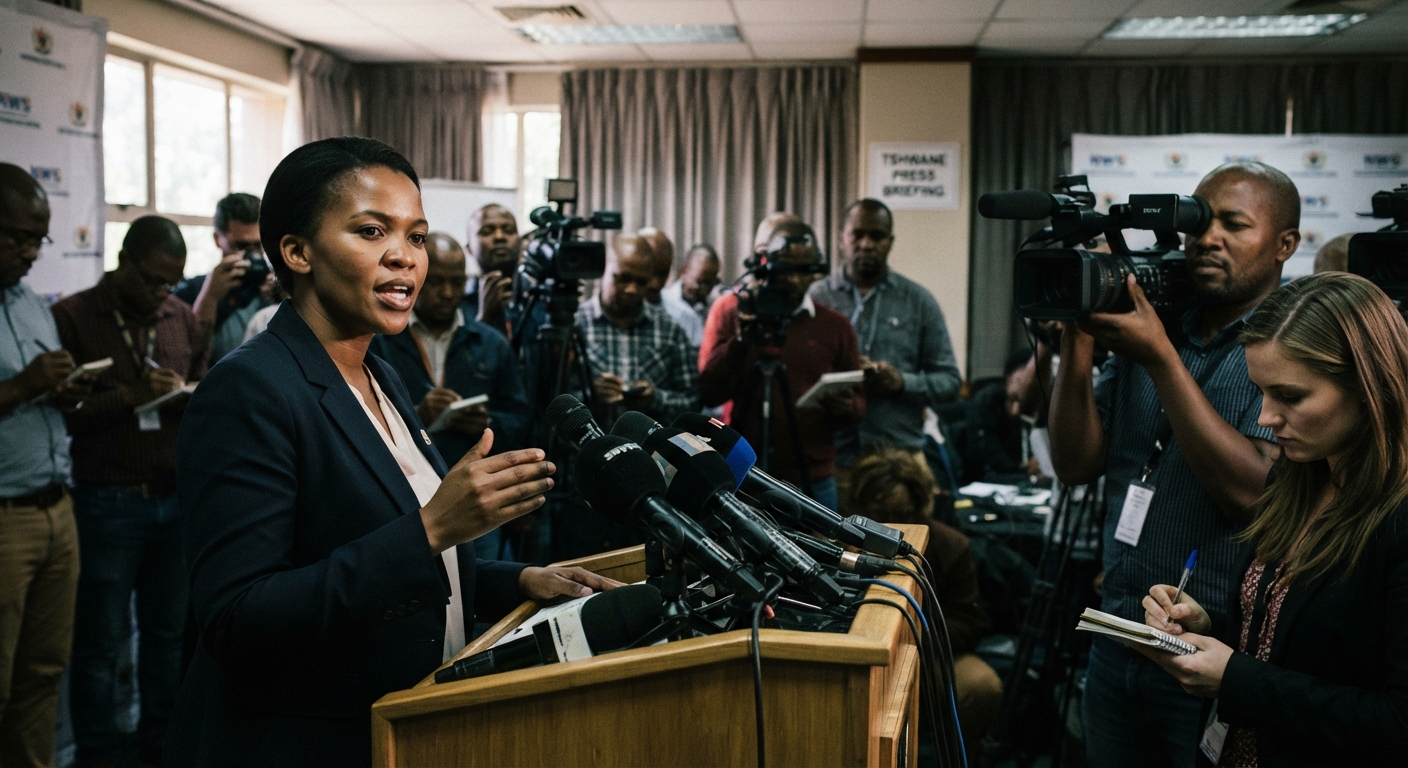
ActionSA Councillor Kgalalelo Moya has made a bold assertion, crediting her individual performance as the primary driver behind the party's electoral and operational successes within the City of Tshwane. This statement, while highlighting the potential impact of dedicated local representatives, opens a discussion on the interplay between individual effort and collective party machinery in South Africa’s complex municipal political landscape.
Moya’s declaration suggests a significant personal investment in the party's local initiatives and outcomes. While specific details of the 'performance' she refers to were not immediately elaborated upon, such claims typically encompass robust oversight, active community engagement, advocacy for service delivery improvements, and rigorous accountability demands on the municipal executive.
The Individual's Role in Party Fortunes
In a multi-party democracy like South Africa, particularly within the often-volatile coalition environment of metropolitan municipalities such as Tshwane, the individual contributions of councillors can be exceptionally impactful. A highly visible, engaged, and effective councillor can significantly bolster a party's image and electoral standing in their specific ward or even across the broader municipality.
ActionSA, a relatively new entrant into the political arena, has carved out a niche as an opposition force advocating for good governance and service delivery. Moya's statement implies that her efforts aligned directly with these foundational principles, translating into tangible gains for the party, whether in increased voter confidence, successful community projects, or effective opposition to perceived maladministration within the City of Tshwane.
Political analysts often debate the extent to which a party’s success is attributable to its brand and leadership versus the ground-level work of its representatives. Moya’s assertion leans heavily towards the latter, suggesting that dedicated, results-oriented performance by elected officials is paramount in winning and maintaining public trust. This perspective could be seen as a challenge to the traditional view that party manifestos and national leadership are the sole determinants of electoral success.
The Pretoria, Tshwane Angle
For residents, officials, students, and business people in Pretoria/Tshwane, Councillor Moya’s statement carries significant weight. Firstly, it places a direct spotlight on accountability. If an individual councillor takes credit for success, they implicitly invite scrutiny into the specifics of that performance. Residents can assess whether improvements in their wards, enhanced service delivery, or successful challenges to municipal inefficiencies can indeed be linked to Moya’s reported actions.
Secondly, in a city grappling with ongoing service delivery challenges, financial instability, and the complexities of coalition governance, understanding the mechanisms of political influence is crucial. Moya's claim highlights the potential for individual councillors to drive change, offering residents a clearer view of who might be effectively advocating for their interests within the municipal council. This insight can inform future voting decisions and engagement with local government.
Finally, for local businesses and officials, such statements underscore the dynamic nature of local politics. The effectiveness of individual representatives can directly impact local policies, community stability, and the overall governance environment – factors vital for economic growth and efficient administration in Pretoria.
Source: Google News: Tshwane